Photos by Eric Béliveau and Vicky Barrera
From Exposure to Cure: Highlights of the 10th Annual Program
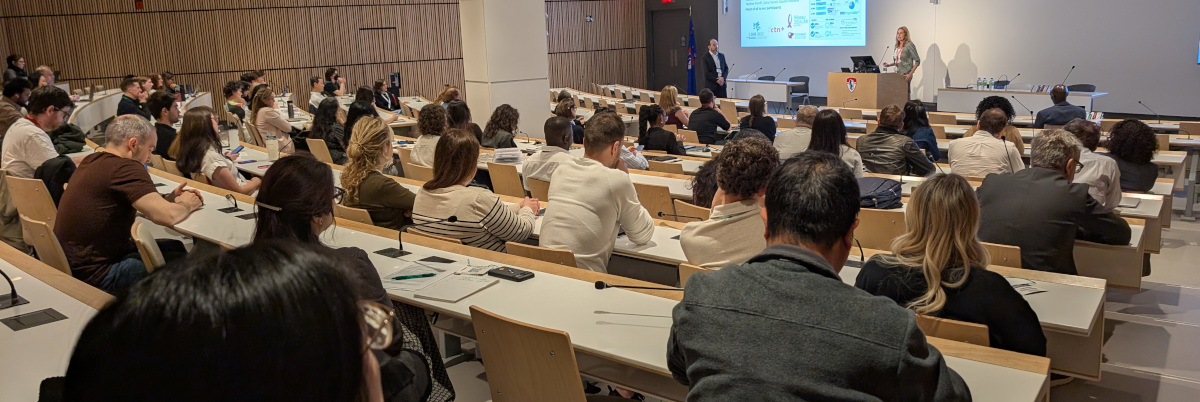
Every spring, at the end of the academic year, the IDIGH Program comes together to celebrate its research as a family. And it is quite a large family; for 10 years, the IDIGH Research Day has welcomed 200 participants, and this year was no exception. It was before a full-capacity auditorium that our 10th IDIGH Research Day took place on April 28th at the RI-MUHC.
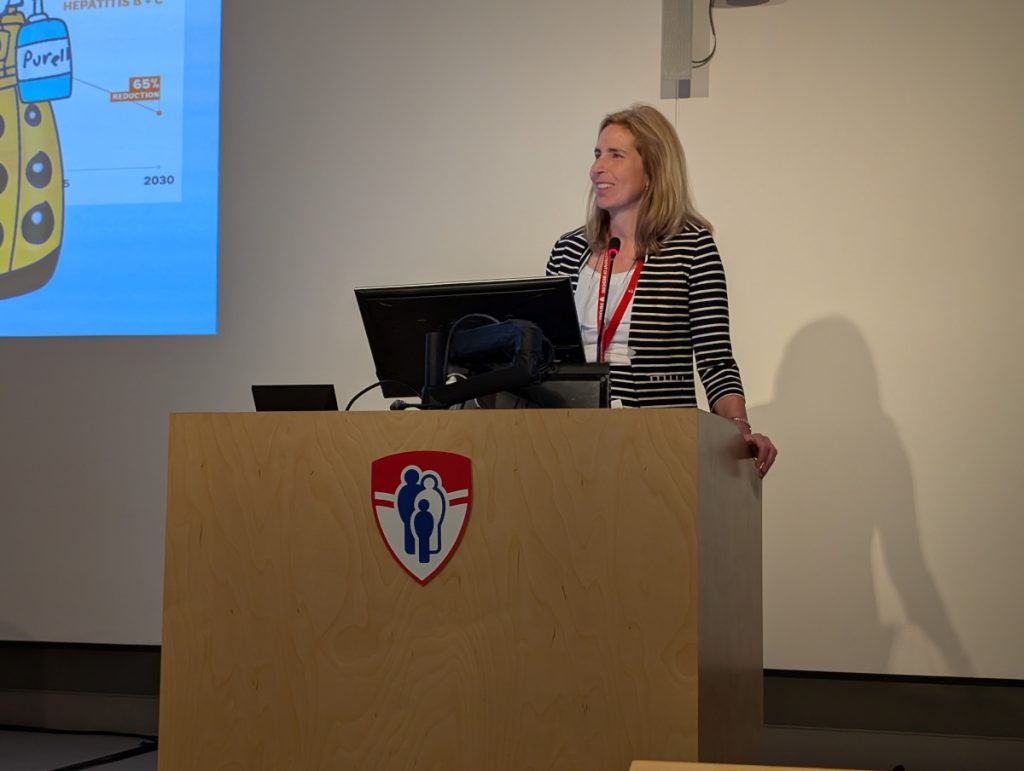
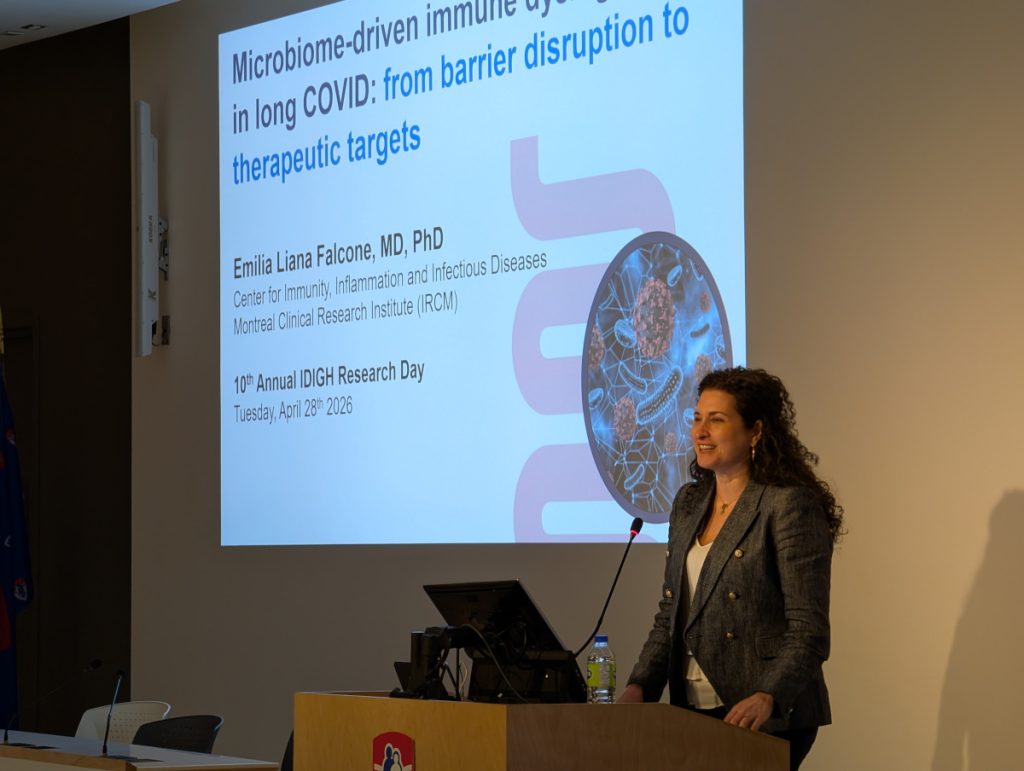
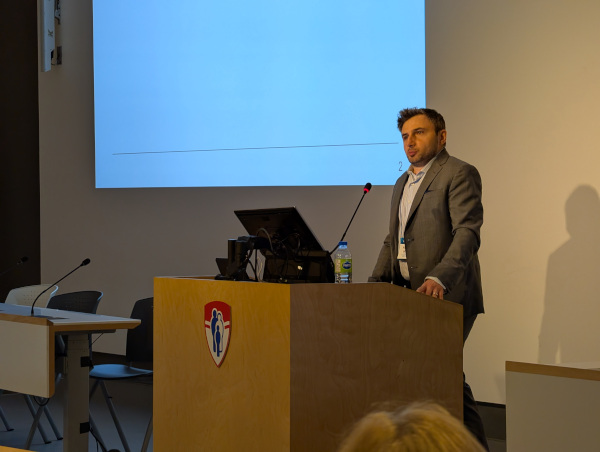
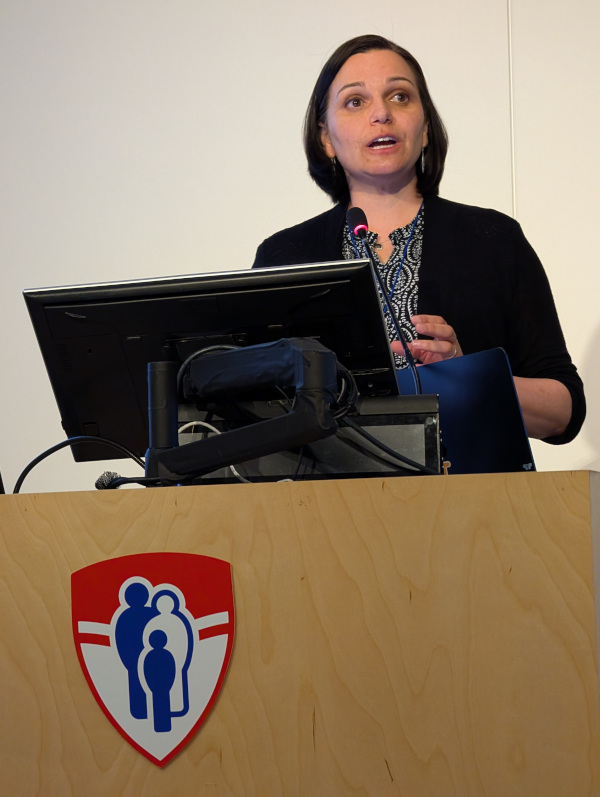
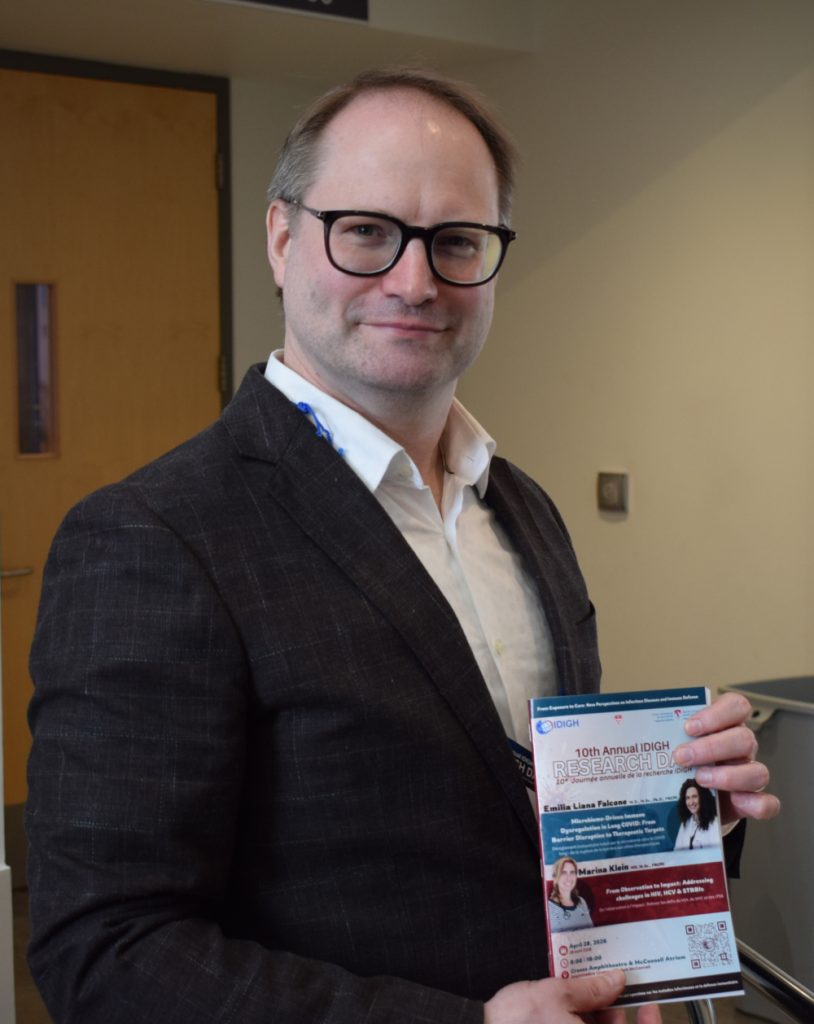
This year’s theme was “From Exposure to Cure: New Perspectives on Infectious Diseases and Immune Defense.” This theme was highlighted by two keynote lectures, presented first by Dr. Marina Klein, a member of our program, followed by Dr. Emilia Liana Falcone from the Montreal Clinical Research Institute (IRCM). Also joining the lineup were two recent program appointments, Drs. Alexander Lawandi and Nicole Basta, who shared their perspectives on the day’s theme. Actually, with over 40 presentations, nearly the entire breadth of the program’s expertise was on display. The presentations covered themes as diverse as advanced clinical care, molecular biology, public health, and immunology. From large-scale cohort analyses (such as those involving HIV/HCV co-infection) to the perception of patient regarding AI symptoms assessment tools, the research showcased a commitment to both fundamental scientific discovery and the practical improvement of healthcare.
Honoring the Best Presentations
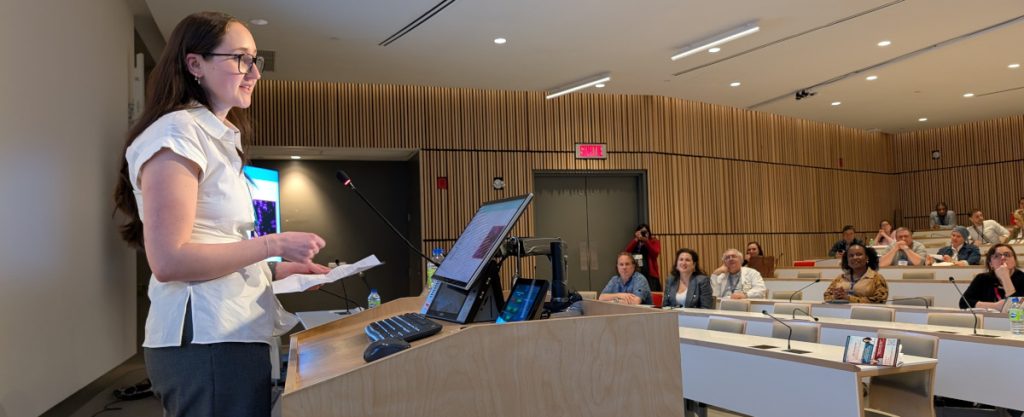
The primary goal of this day is to foster interdisciplinary collaboration and train the next generation of scientists. It is an opportunity for our trainees to hone their communication skills, debate their findings, and interact with seasoned researchers. To this end, all presentations were evaluated by a panel of judges, and the best among them were recognized.
Congratulations to our winners:
- Oral Presentations
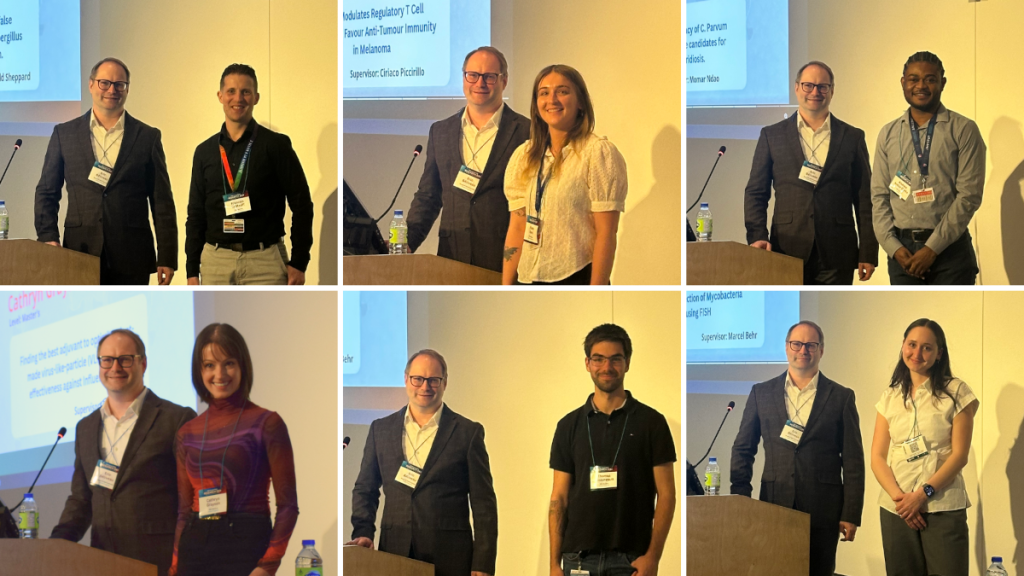
- François Le Mauff (Don Sheppard): The two polymers behind one false identity, a new perspective on Aspergillus fumigatus biofilm formation.
- Fiona Rees (Ciro Piccirillo): IL-18 Modulates Regulatory T Cell Activity to Favour Anti-Tumour Immunity in Melanoma.
- Andrew Annor-Darko (Momar Ndao): Assessing the efficacy of C. Parvum antigens as vaccine candidates for Cryptosporidiosis.
- Poster Presentations
- Cathryn Grayson (Brian Ward): Finding the best adjuvant to optimize plant-made virus-like-particle (VLP) vaccine effectiveness against Influenza virus
- Thomas Dussereault (Marcel Behr): Chipz and DipZ: Illuminating an Obscure Protein.
- Xin Xin Yu (Elena Netchiporouk): The Canadian Morphea Registry (C-MORE): Baseline Characteristics in a National Multicenter Pediatric and Adult Cohort.
- Three Minute Thesis Presentations
- Emmanuelle Roy (Marcel Behr): Spatial Detection of Mycobacteria using FISH.
We would like to extend our most sincere thanks to our panel of judges: Sarah Yull, Abdoulie Touray, Mohamed Daoudi, Nathalie Paisible, Jeyashree Kathiresan, James Young, Leenah Shaikh, Laura Vaugeois, Ahmed Fouda, Marianela Brizio, Aunonna Kabir, Roman Istomine, Ines Colmegna, Stephane Isnard, Francois Le Mauff, Vimal Murugesan, Andréanne Lupien, Kaitlin Wong, Moustafa Laymouna, and Marine Leroux. Your expertise, your time, and the rigor of your evaluations were absolutely essential to the success of this event. Thank you for guiding our young researchers toward excellence.
A Unique Opportunity to Discover Innovative Technologies
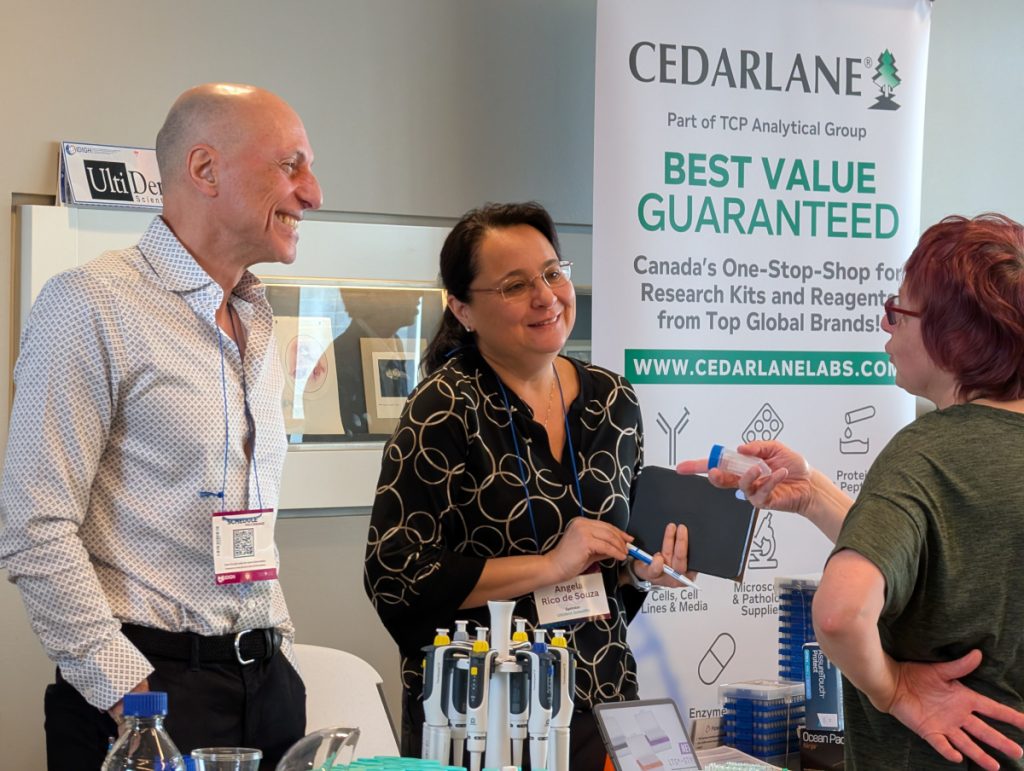
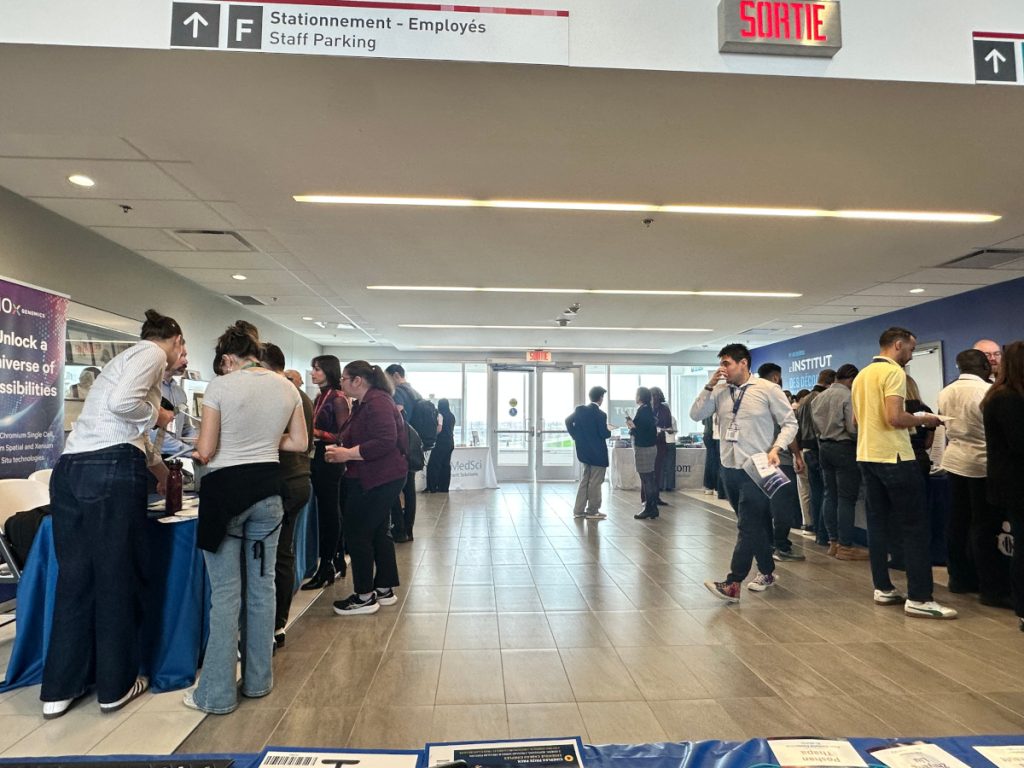
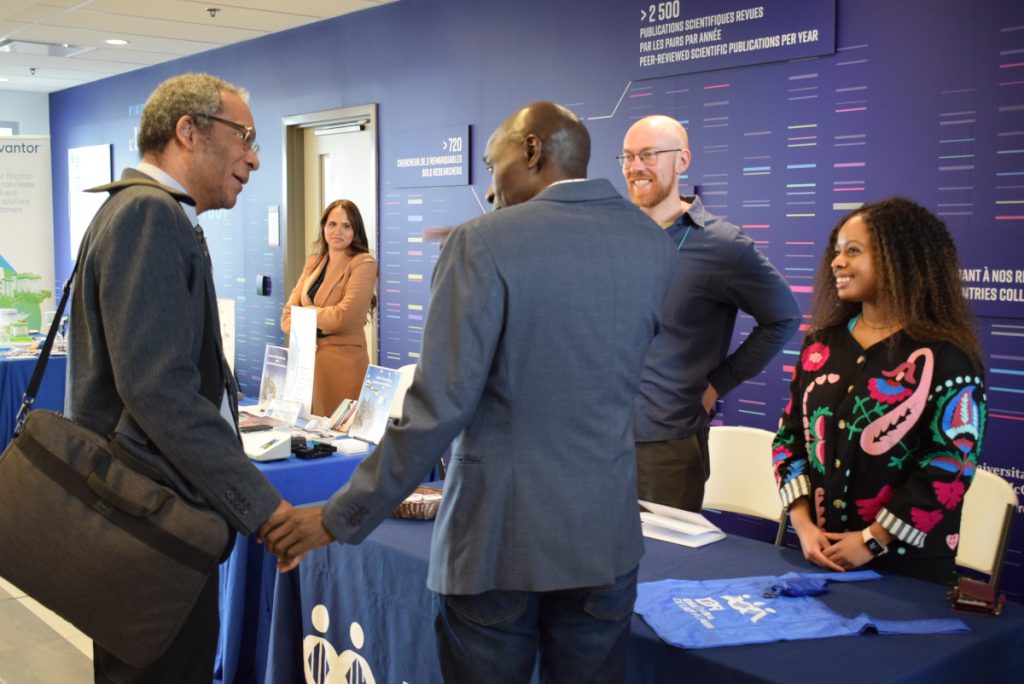
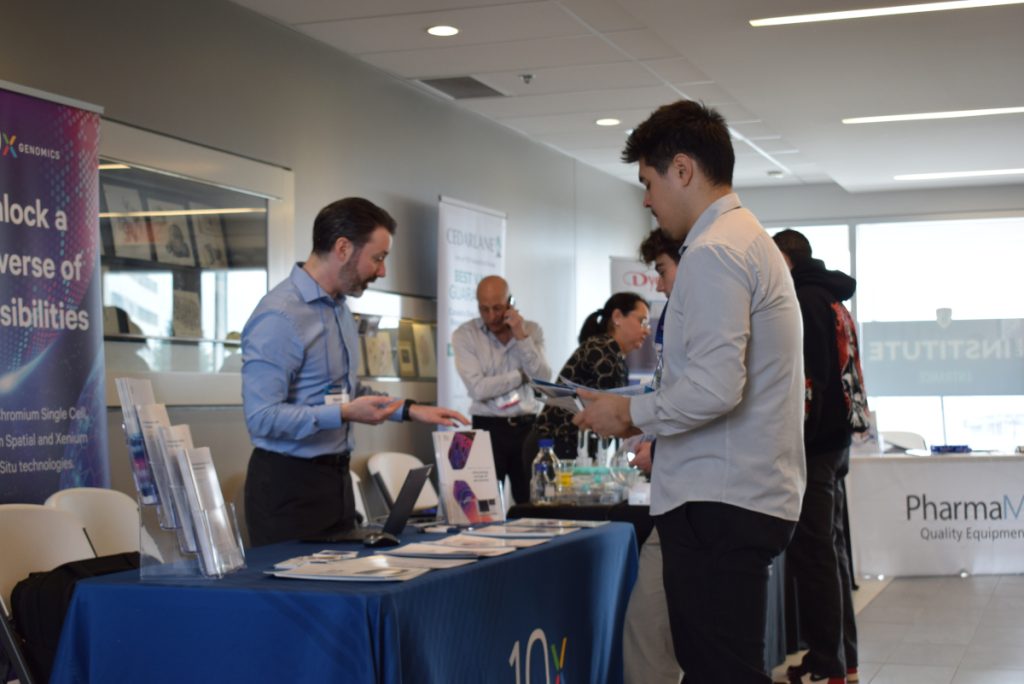
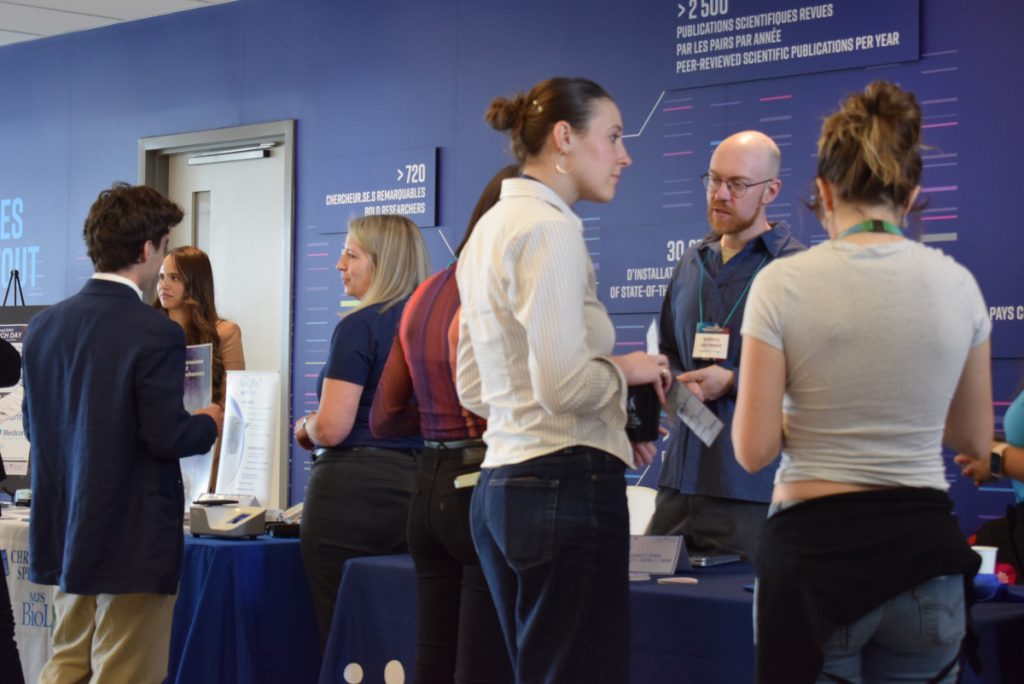
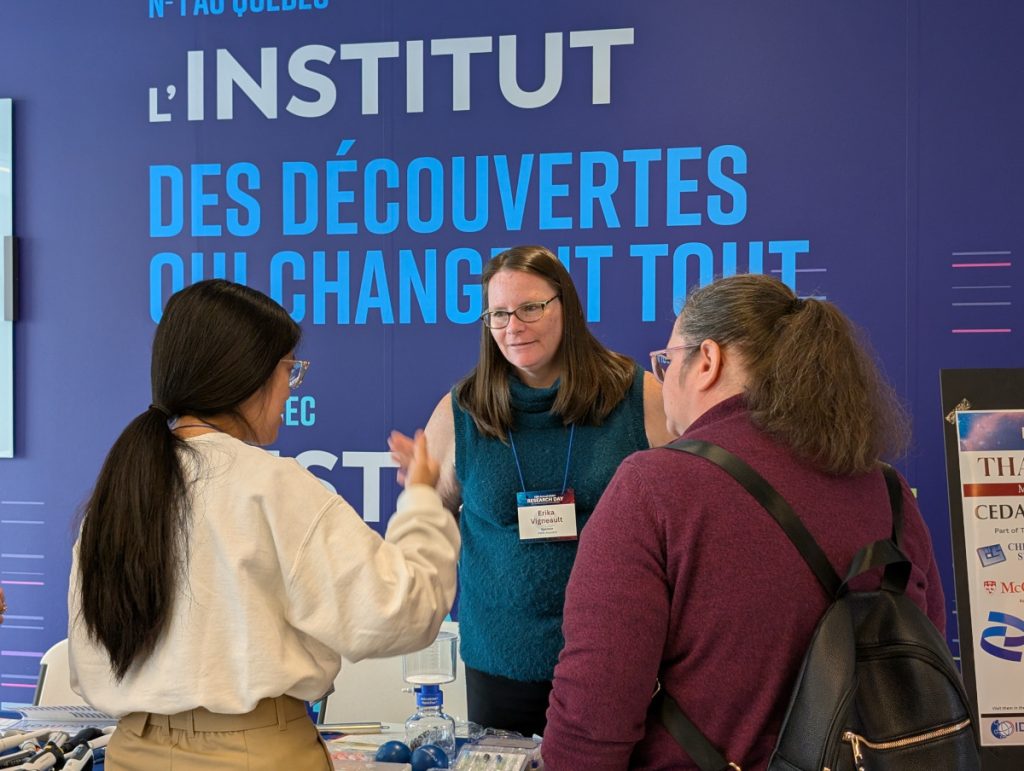
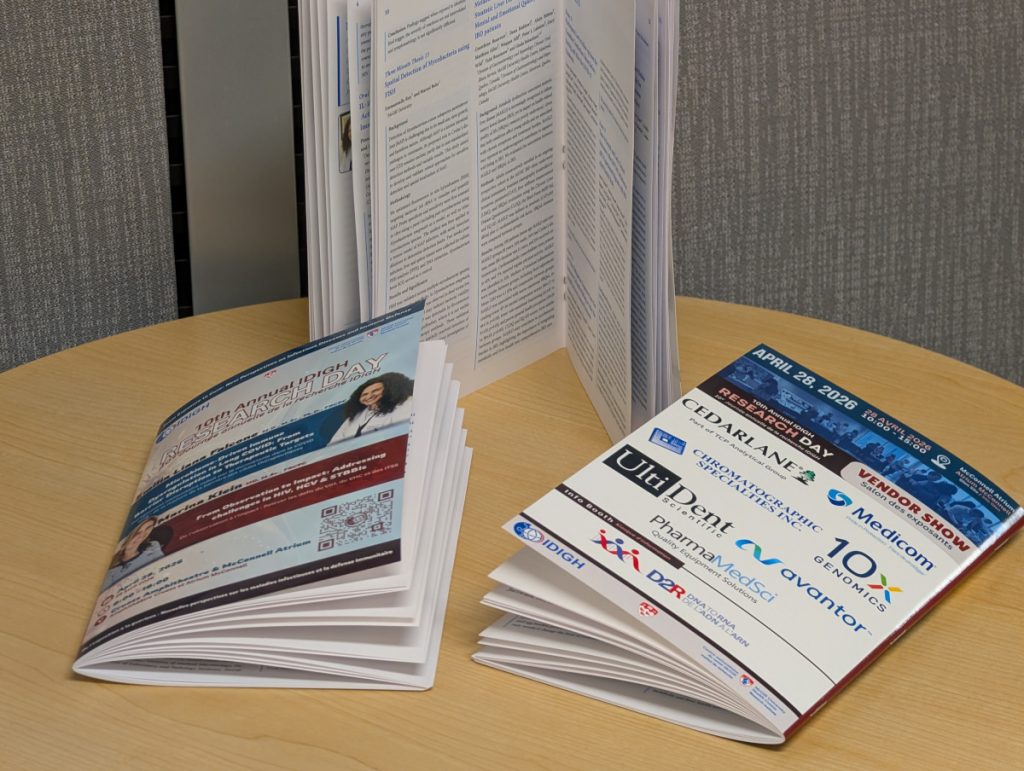
In addition to the scientific presentations, participants were invited to explore our Vendor Show, a unique opportunity to discover innovative technologies and services offered by our partners and sponsors. Their support is a vital pillar, making this day a fundamental tool for education and the dissemination of research findings.
Networking: A Driver of Medical Innovation
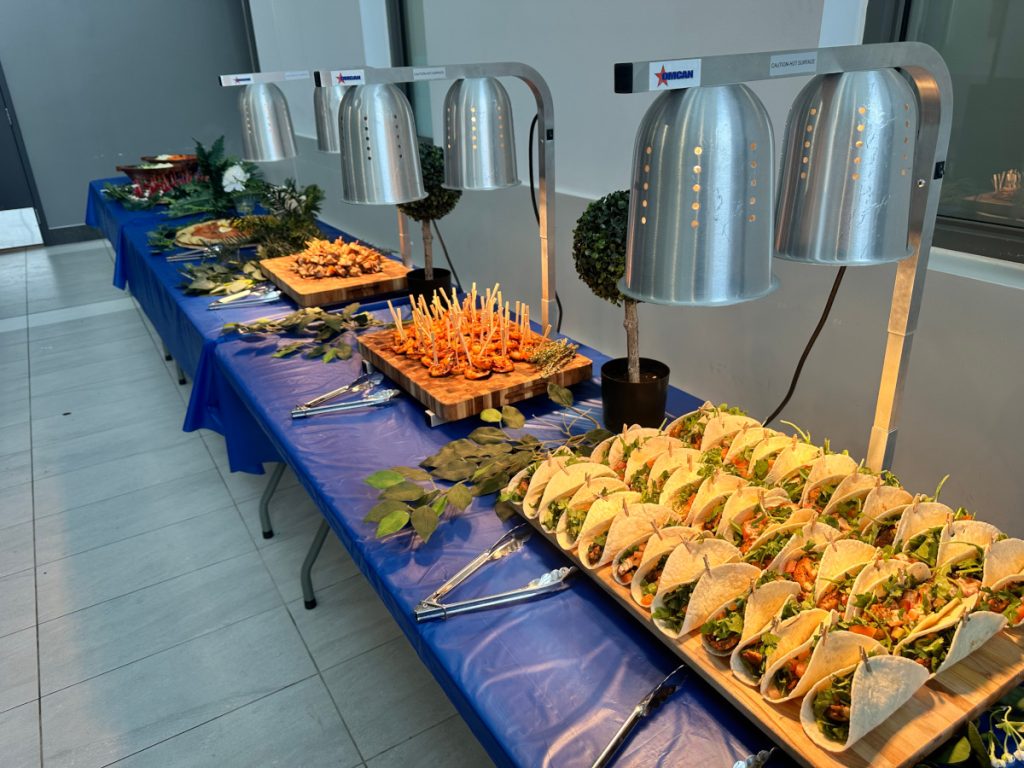
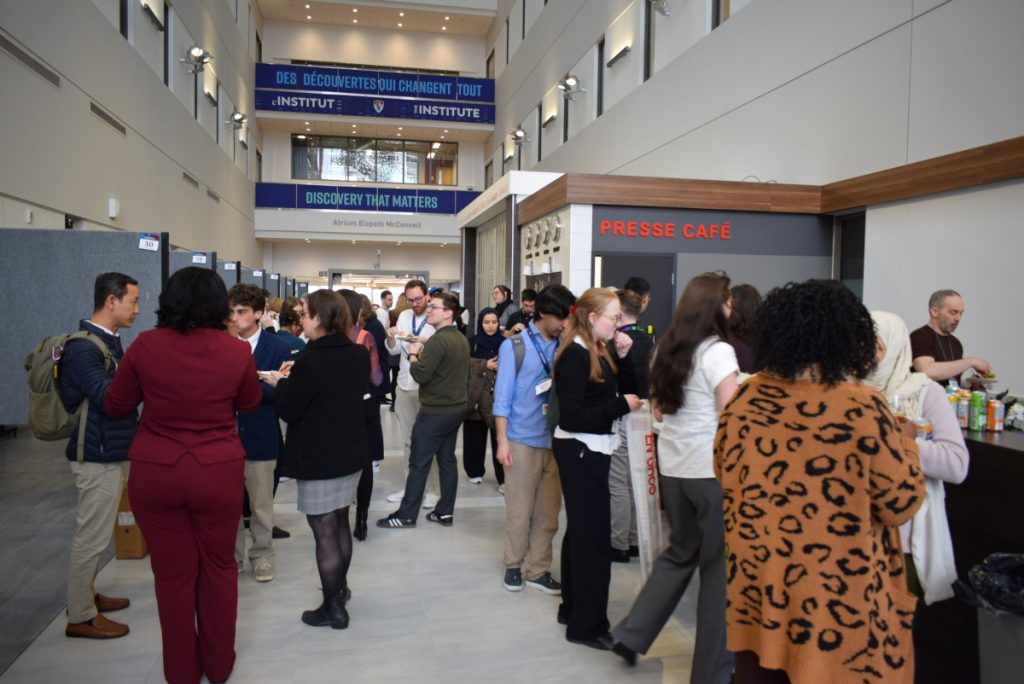
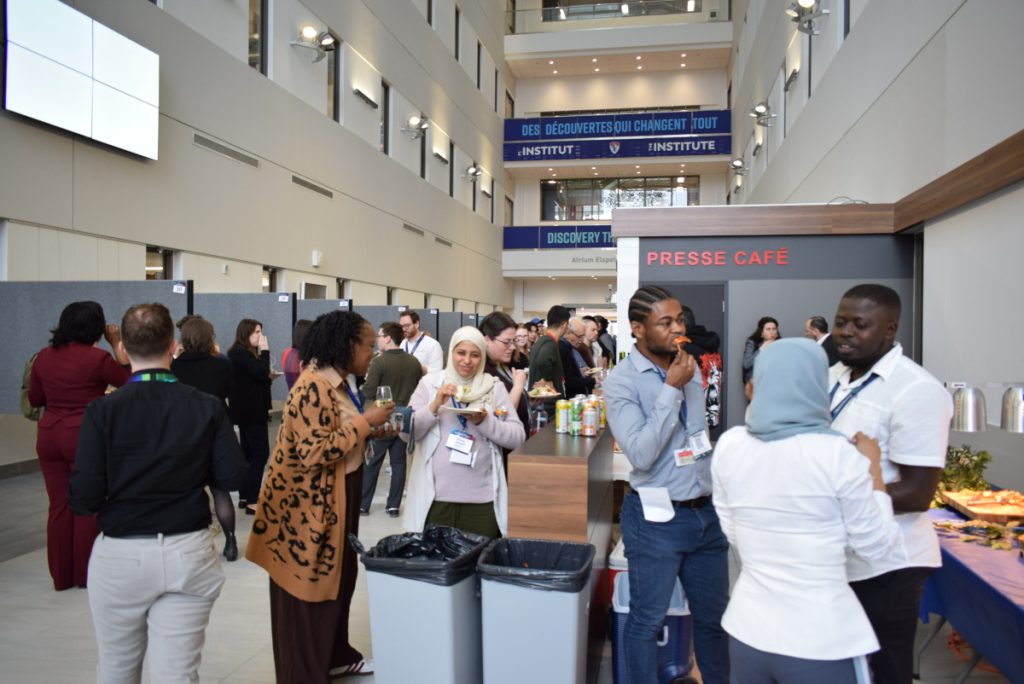
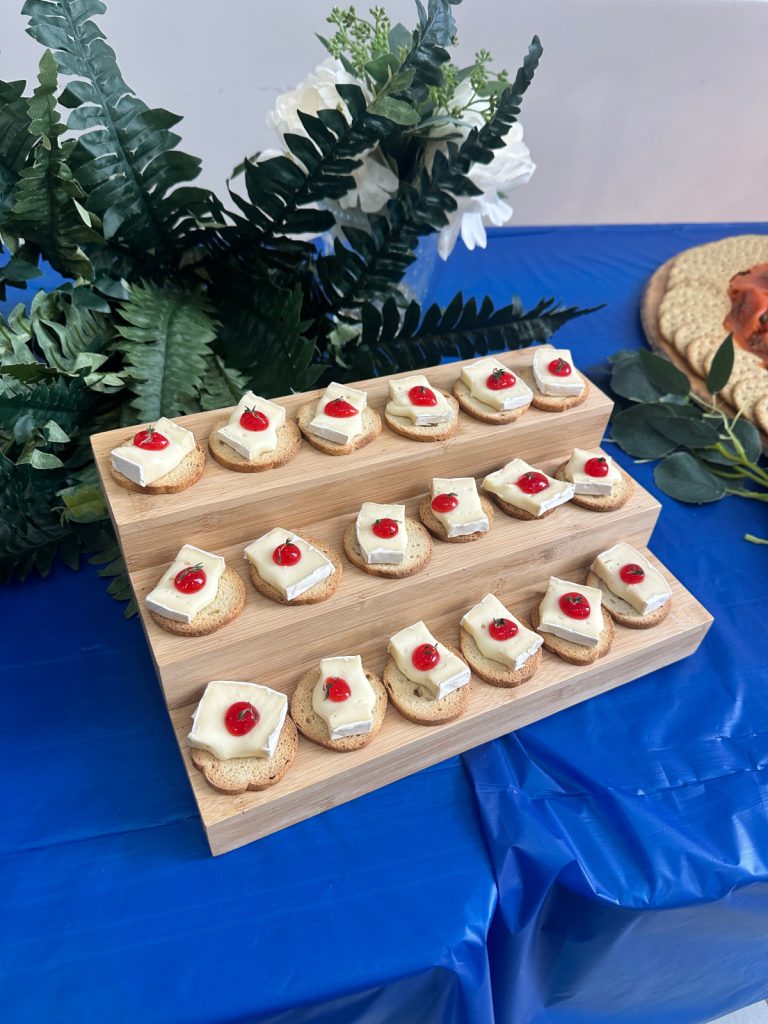
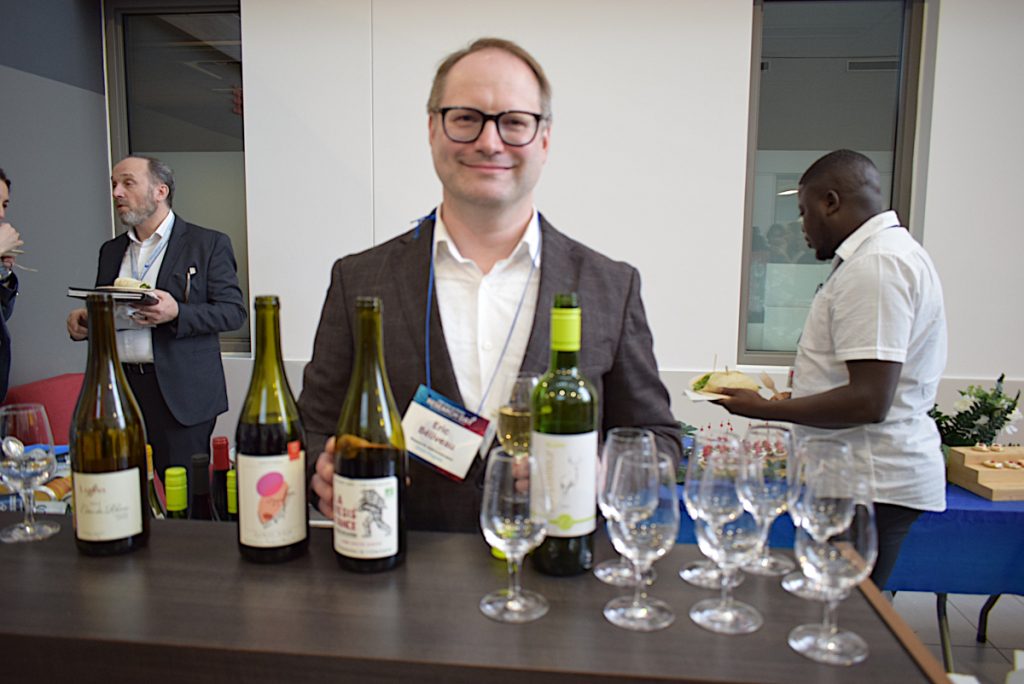
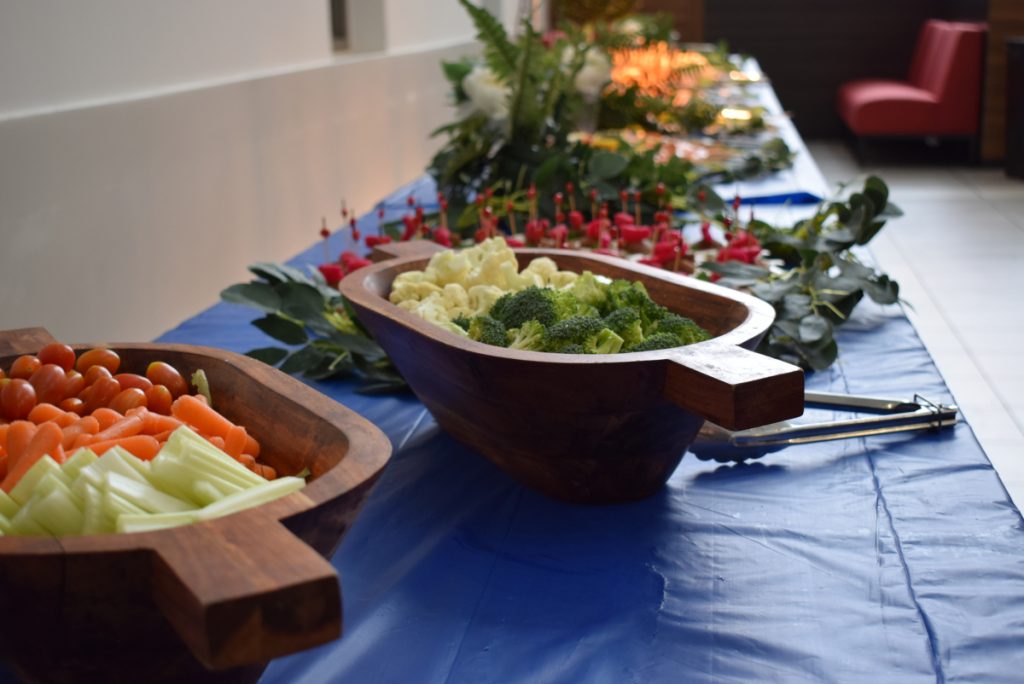
The Research Day culminated in a networking cocktail reception, which proved to be a highly appreciated highlight. It allowed participants to extend their scientific discussions in a more informal setting while fostering interdisciplinary connections and exchanges. We hope this moment helps strengthen the sense of community within the IDIGH Program, confirming that human connection is a driver as powerful as scientific data itself in advancing medical research.
A Huge Thank You to Our Volunteers!
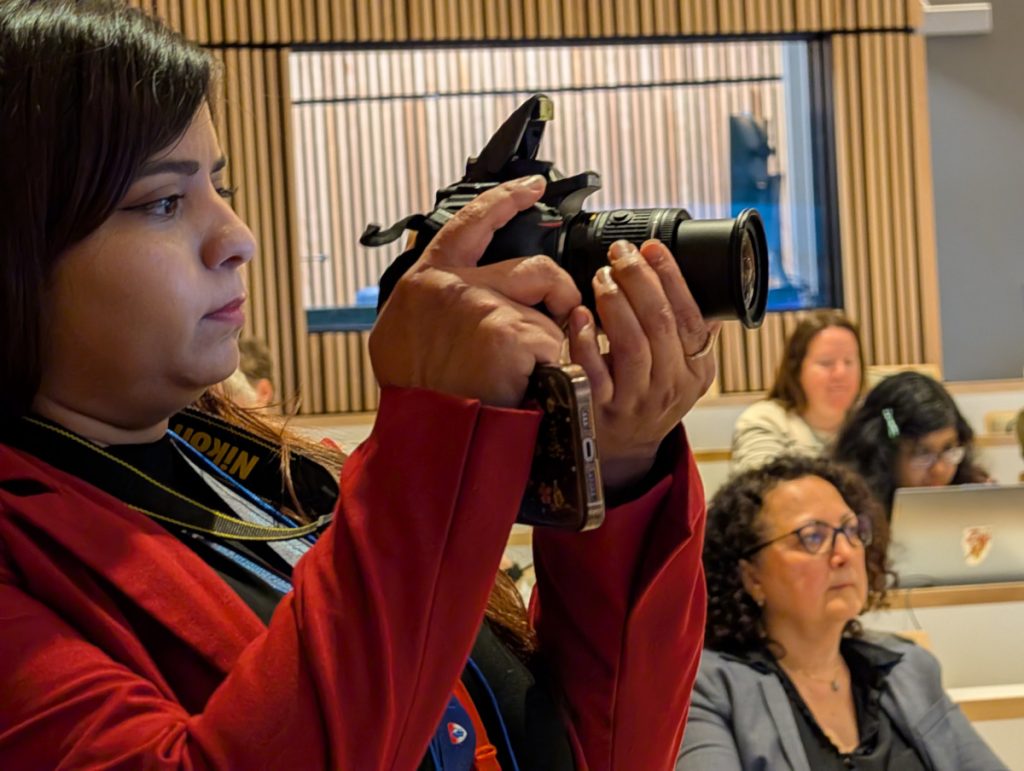
The success of this 10th IDIGH Research Day is the result of exceptional mobilization and the remarkable dedication of many volunteers. We wish to sincerely thank everyone who generously gave their time and energy, from the planning stages to the closing remarks.
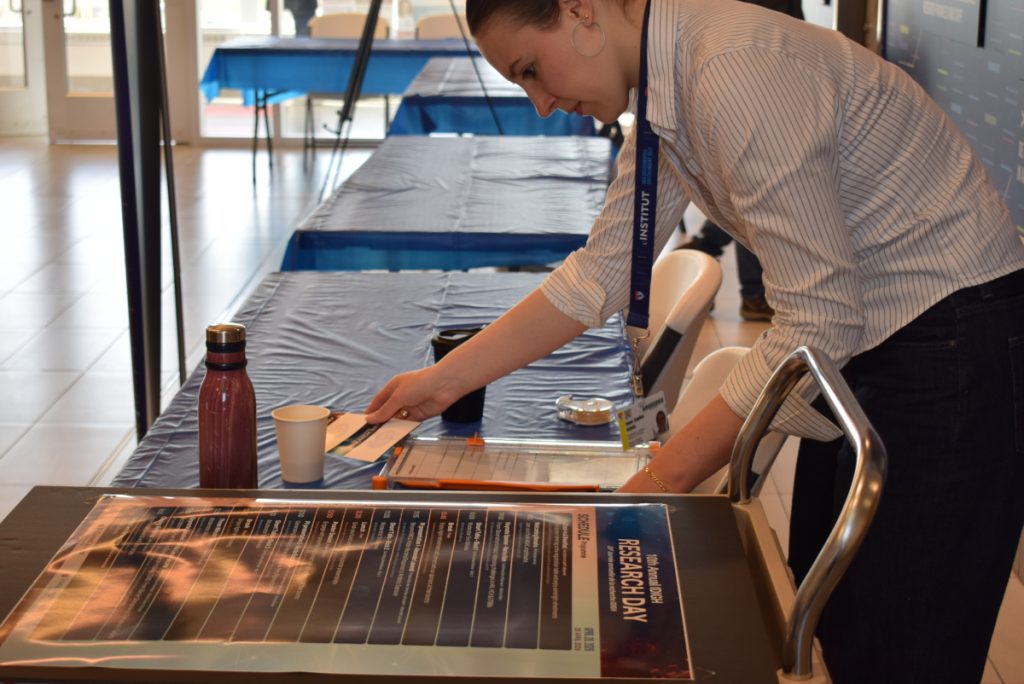
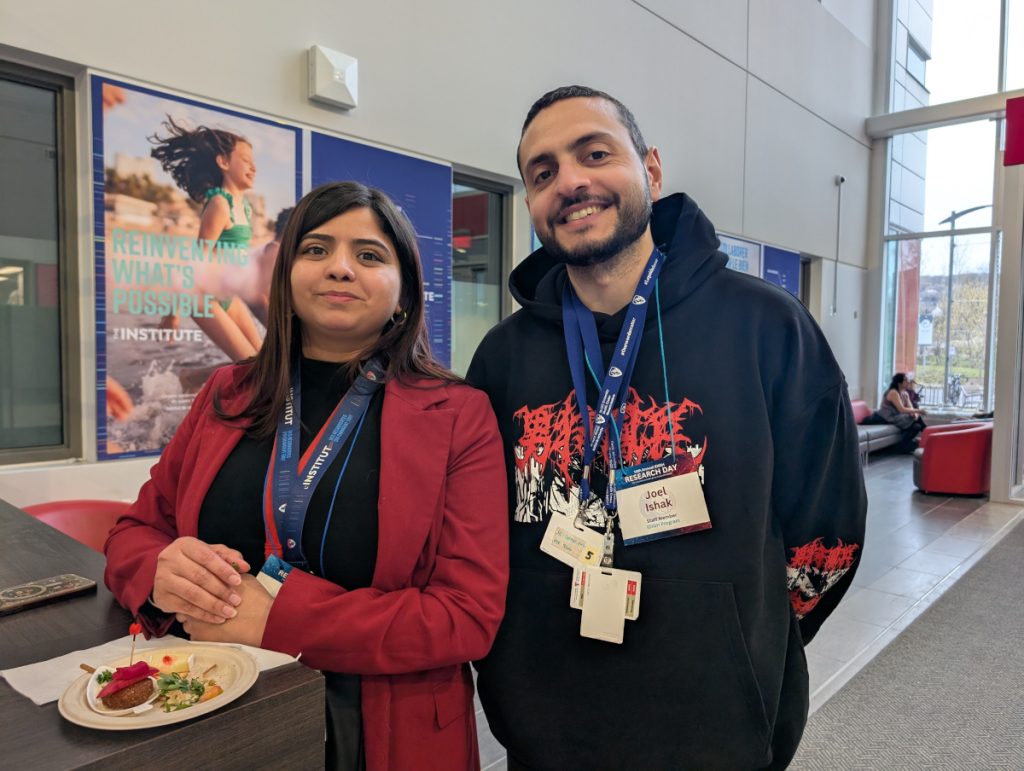
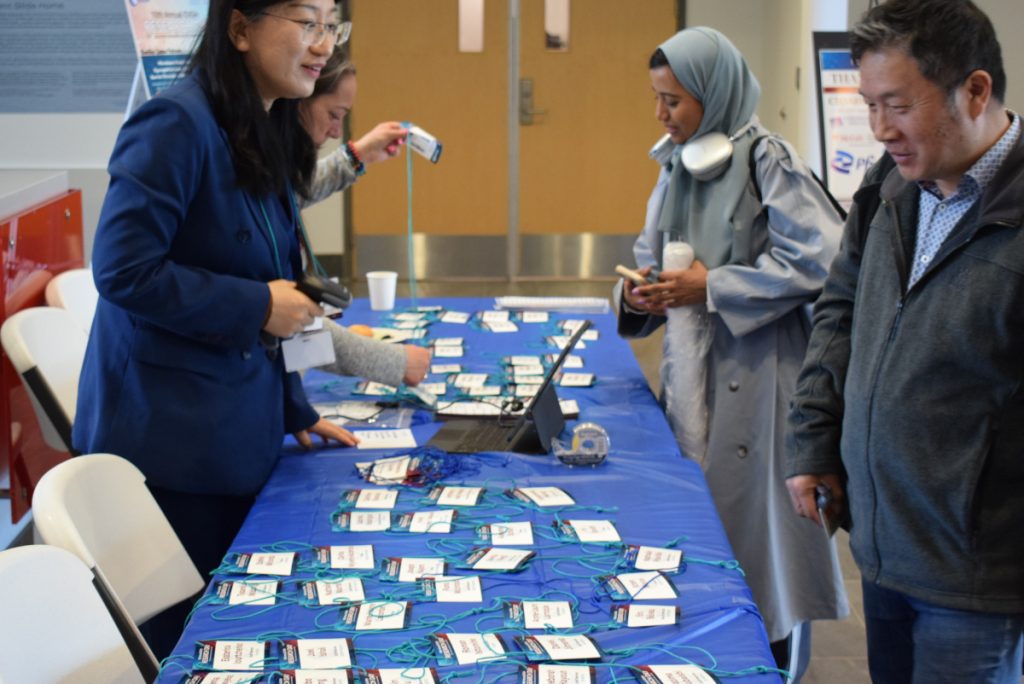
A big thank you to the key teams:
- Planning and Content: Our special thanks go to Kaitlin Wong for her major involvement in planning discussions, logistical organization, and the abstract selection process, in collaboration with Andres Rodas.
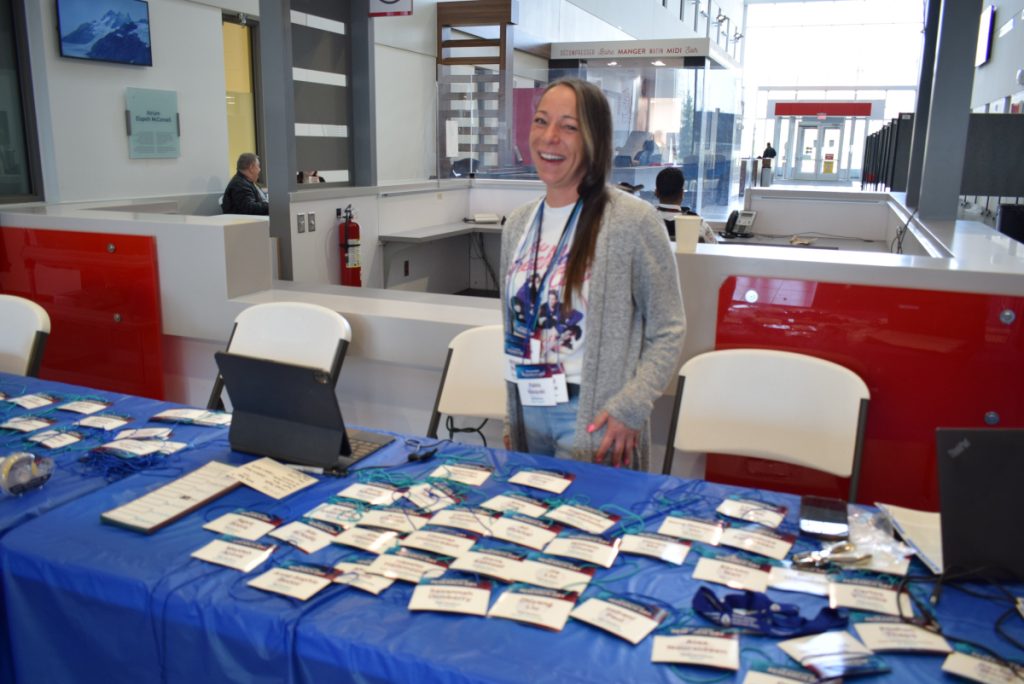
- Registration and Hospitality: We warmly thank Angie Massicotte, Liqin Sun, and Joel Ishak for their essential role in ensuring a smooth registration process. Your professionalism ensured a seamless experience for participants from the moment they arrived.
- Logistics and Setup: Thank you to Andres Rodas and Anne-Sophie Bédos for their invaluable help in setting up the atrium, as well as to Joel Ishak, whose logistical support throughout the day was fundamental. A special thanks to Stéphane Isnard for ensuring smooth transitions to the auditorium.
- Closing and Cleanup: Finally, we thank Andrew Annor-Darko, Abdoulie Touray, Jason Gravett, Ira Lacdao, and once again Kaitlin Wong for their commitment during the teardown and closing.
Your collective generosity made this day a true success!
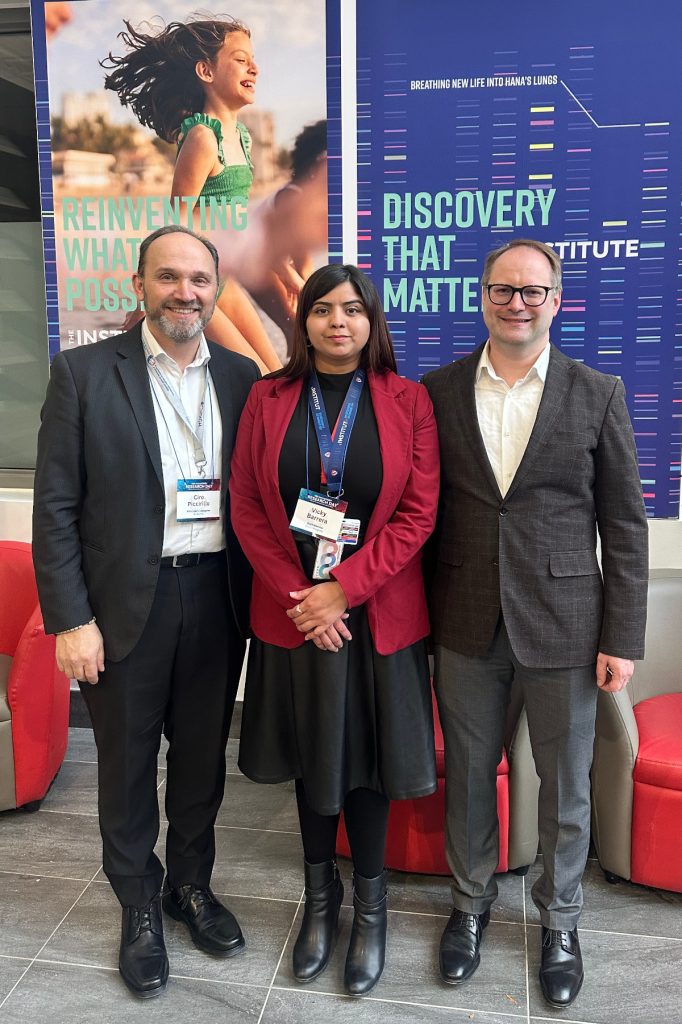
Behind the Scenes: Optimizing the Participant Experience
Did you notice how seamlessly the day unfolded? Beyond the rich scientific content, this year’s event stood out for its comprehensive logistical approach, blending academic rigor with operational efficiency.
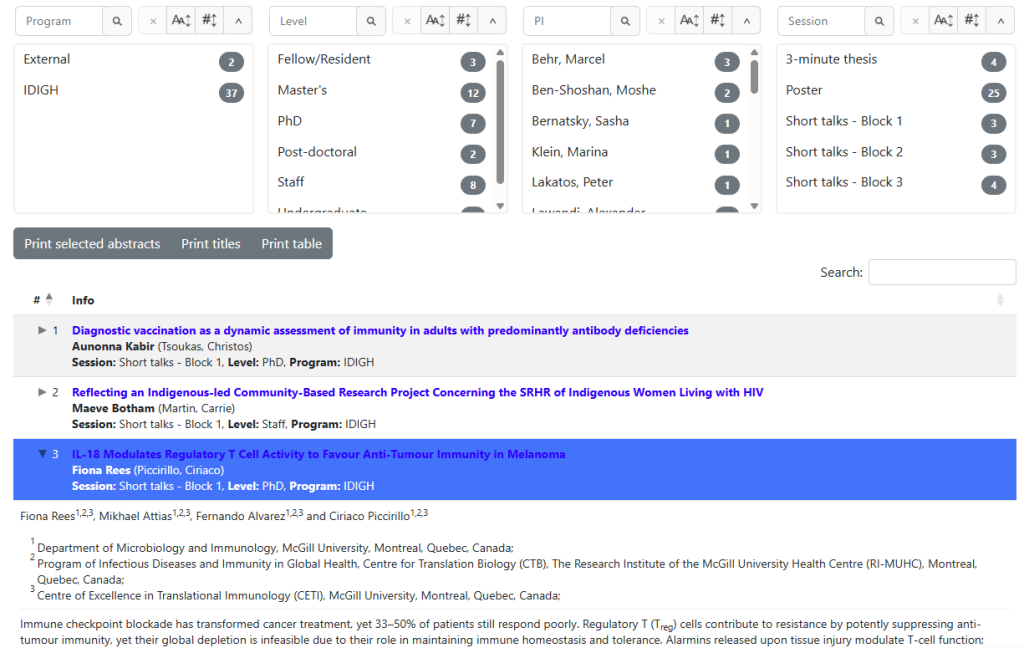
From the very beginning, we implemented a rigorous system for managing research abstracts. This complex process, from initial submission to final professional layout, transformed every scientific contribution into a polished PDF, ready for maximum accessibility. This content was also integrated into our web platform, ensuring that the researchers’ work remains available long after the event and allowing participants and organizers to manage data (for evaluations, abstract searches, or printing) according to their needs.
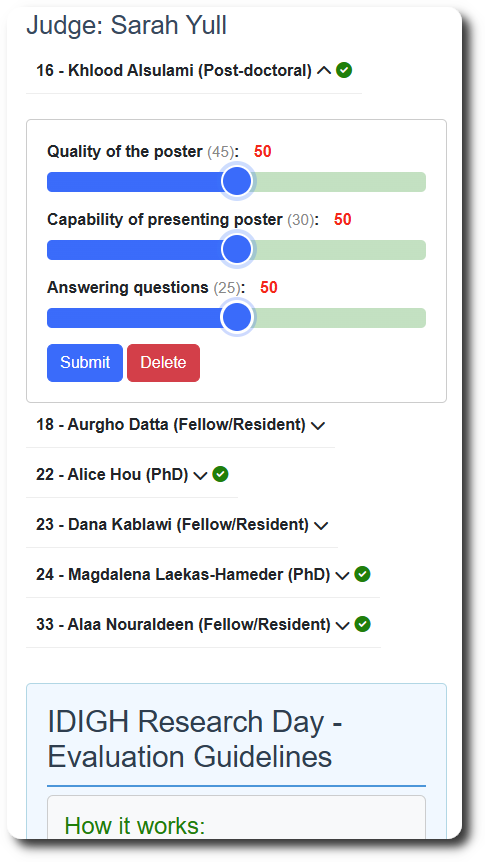
In this same spirit, we deployed a simple and efficient online evaluation system. With all documentation built directly into the interface, judges were able to work with total autonomy. This streamlined process allowed for the instantaneous compilation of results, making it possible to select the winning presentations just minutes before the awards ceremony.
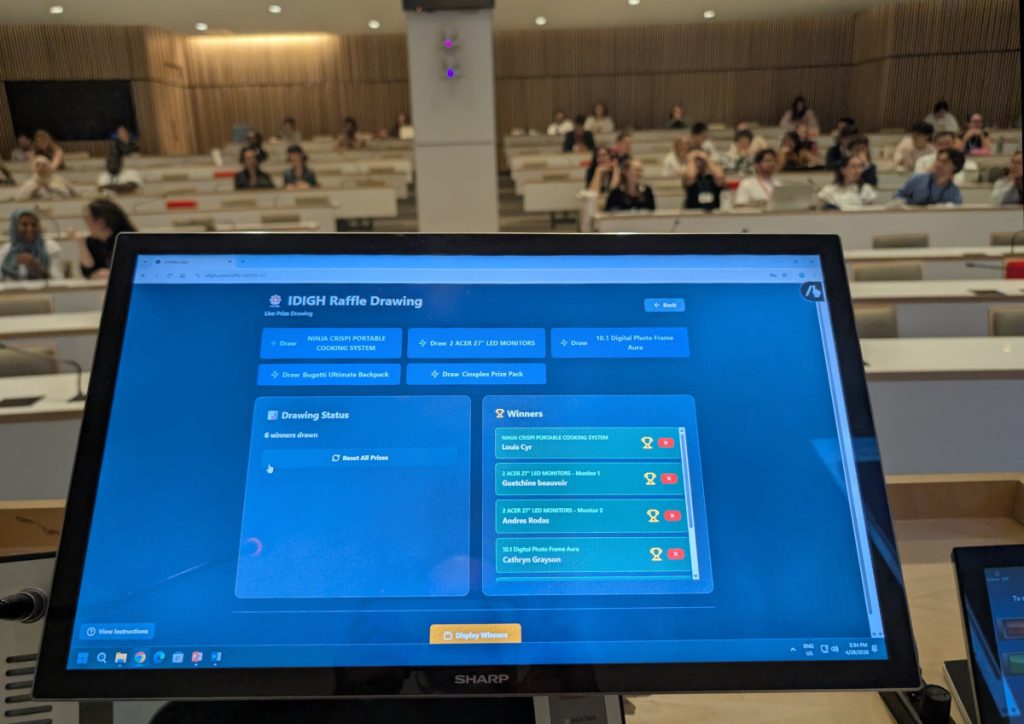
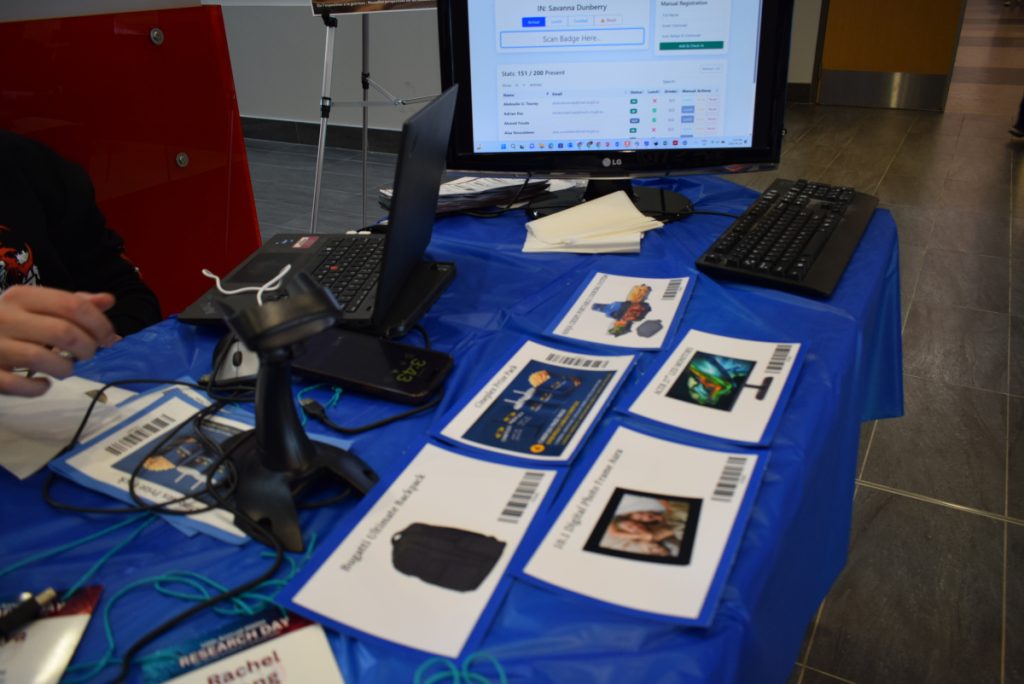
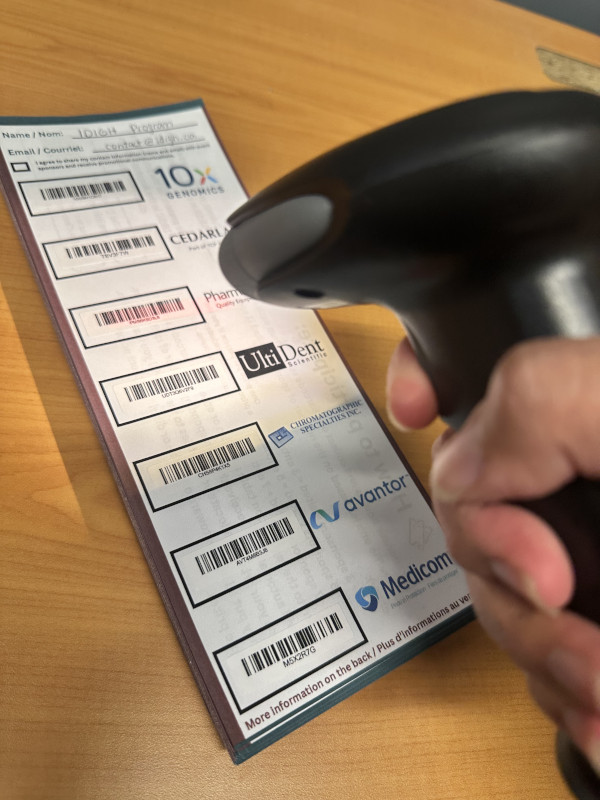
On the operational side, we integrated modern digital tools to enhance the participant experience. The strategic use of barcodes revolutionized several areas: they were used not only for precise attendance tracking but also for the automated monitoring of sponsor booth visits (for the prize draw), as well as for managing meals and the closing cocktail reception through real-time inventory tracking.
This full technological integration did more than just improve administrative efficiency; it enriched the overall experience, providing a seamless journey that reflects the same commitment to excellence demonstrated by our researchers.
 English
  Français du Canada